
You Are Intelligent, You Will Still Fail and That’s Okay.
If you knew for certain that your 51st attempt would be a guaranteed success, how quickly would you rush to fail the 50 previous attempts?
In Mutoko, Zimbabwe, intelligence was the one asset nobody could take from you. Textbooks were shared, the internet crawled, but if you were sharp, adults spoke about your future like a prophecy: this one will go far. I heard it enough times to build my whole identity on it.
Nobody told me that intelligence and failure are not opposites.

The first lesson had nothing to do with school. I was thirteen when my mother died. There is no formula for that. For the first time, I stood in front of something my mind could not fix, and what carried me was not intellect. It was faith, and it was people. Neighbours who cooked. Church members who prayed. Family who kept showing up long after the funeral. Later I would learn the word for it, Ubuntu, I am because we are, but at thirteen I knew only this: I was still standing, and I had not stood by myself.
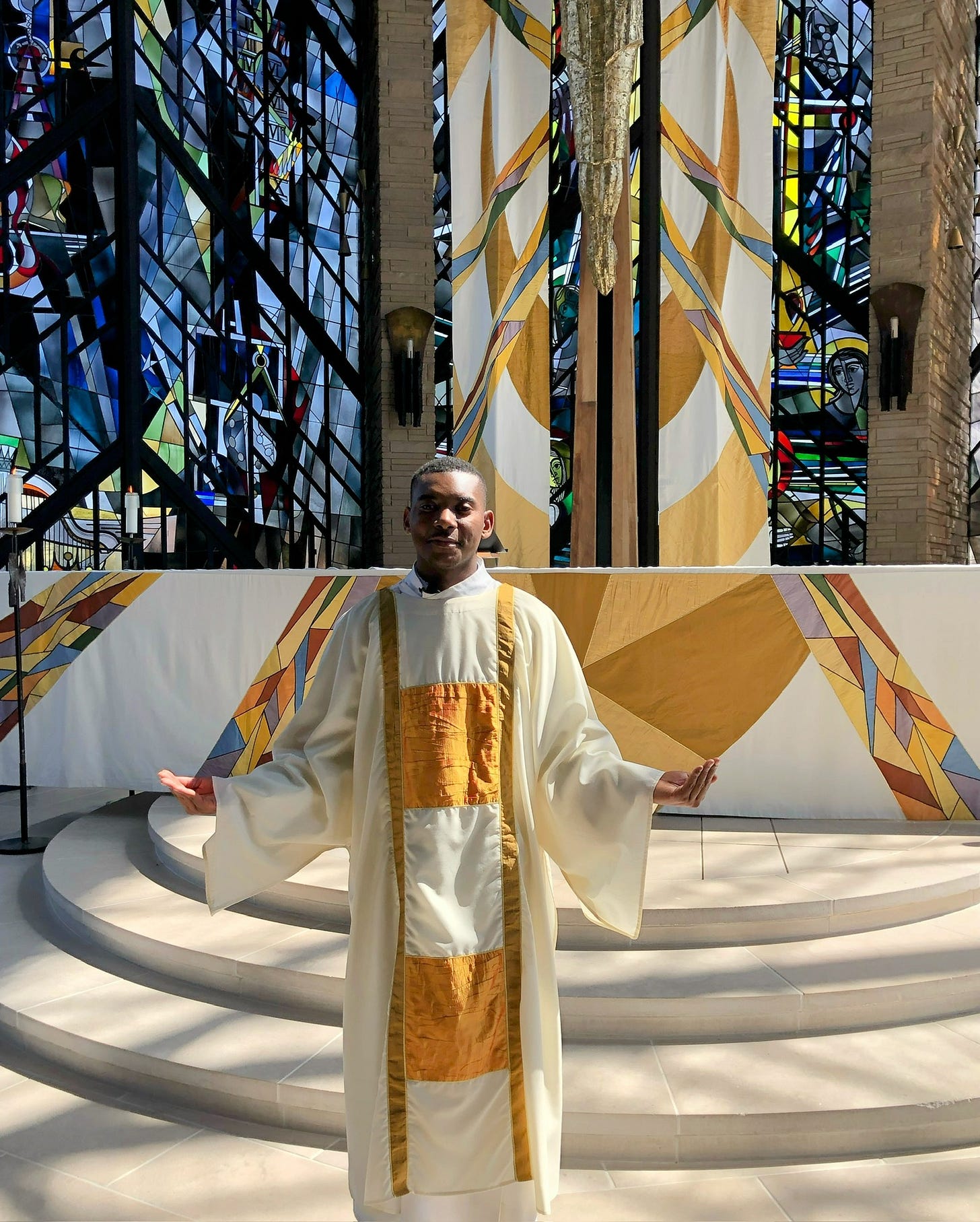
Faith stopped being a Sunday activity that year. It became load-bearing. When it was time to choose a university abroad, I chose a faith-based one on purpose. I already knew what I would need when life broke again.
And life always breaks again.
I boarded my first-ever flight and landed in Chicago, a place I had never seen, winters I did not understand. In my first year, I rehearsed sentences before raising my hand, afraid my accent would arrive before my ideas did. Underneath the nerves sat the old confidence: I am intelligent. That will be enough.
It was not enough.
I failed my first actuarial exam (probability). And if you have ever been “the clever one,” you know a fail doesn’t just cost you marks; it costs you the story you’ve told about yourself since childhood. If intelligence was who I was, what was I now?
Then I entered a profession that fails people by design. Actuarial exam pass rates hover around half. Every window, rooms full of brilliant, prepared people walk out with a fail. The profession that certifies people in probability made failure the most probable outcome. That is not a malfunction. That is the design.
And that is where the shame started to die. If the sharpest people I knew were failing these exams, and they were, then failing could not mean you are not intelligent. It could only mean you are in the arena.
There is a line in Proverbs I have leaned on more than any study manual: the righteous fall seven times, and rise again. It does not say the righteous do not fall. The falling is in the verse. Prayer never removed an exam from my path. It removed the exam’s power to define me. A fail became an event, not a verdict. Data, not destiny.
Ubuntu meant I stopped failing alone. I cold-messaged actuaries on LinkedIn. Many answered: resume reviews, mock interviews, and almost always, a story about something they had failed. The people ahead of me had not fallen less. They had risen more. Those conversations became internships. The internships became a career.
Here is the part people see now: every exam on the road to my Associateship of the Society of Actuaries passed; one professionalism course left before the letters are mine. More exam passes, my professors tell me, than any student in my program’s history. And in my final week of college, the student who once feared his accent delivered the baccalaureate address.
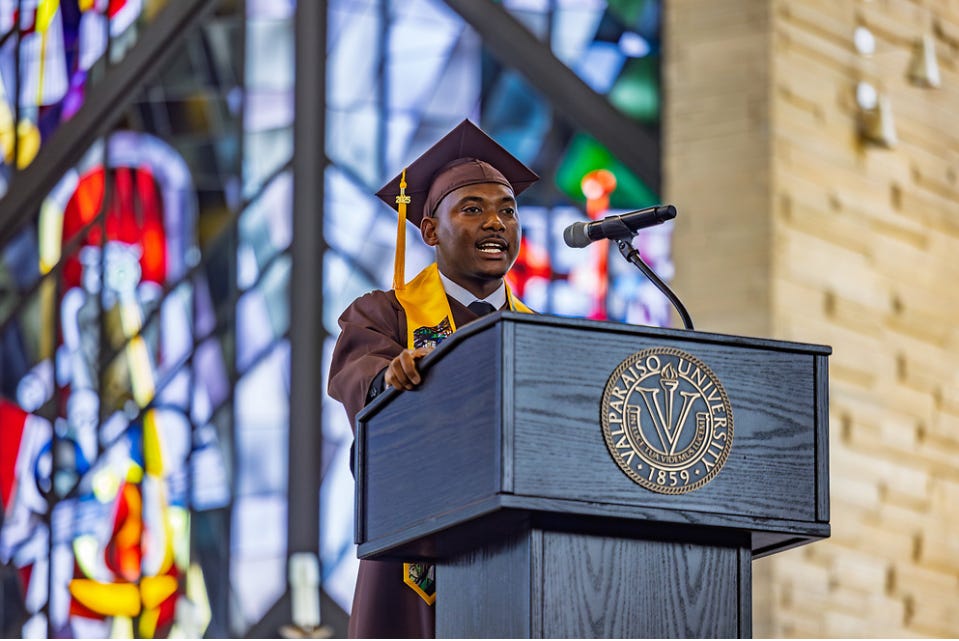
I am proud of that list. But it is not the opposite of my failures; it is made of them. Behind every pass sits a fail, a doubt, a lonely winter, a prayer prayed with more desperation than faith.
Today I analyze risk, so let me say it in my own language: intelligence improves your probabilities. It does not exempt you from probability. Chase anything worth having for long enough, and failure stops being an if and becomes a when. You don’t choose whether you fall. You choose what you believe down there, who is around you, and whether you rise.
So, to you:
You are intelligent. If you are carrying a dream heavy enough to frighten you, you were handed the prophecy too.
You will still fail. The exam, the interview, the startup, the season. Intelligence was never meant to save you from it.
And it will be okay. Not painless. Failure is not the opposite of intelligence, and it has never been the opposite of faith.
The righteous fall seven times.
Rise the eighth.
, Kuda
Read it where it was written.
The comments, the replies, and the next letter all live on Substack. If this one was worth your time, that is where to say so and where to catch the following one.
Exam tips, scholarship deadlines, and honest career advice. One email a week. No noise.